















The Ultimate Guide to BHRT: Everything You Need to Know Before Starting Bioidentical Hormones

As we age, hormonal imbalances can significantly impact our quality of life, affecting everything from energy levels and mood to sleep quality and cognitive function. If you’re experiencing symptoms like hot flashes, night sweats, brain fog, or decreased libido, you might be wondering if bioidentical hormone replacement therapy (BHRT) could be the solution you’ve been searching for.
Unlike the one-size-fits-all approach of traditional hormone replacement therapy, BHRT offers a personalized path to hormonal wellness that’s revolutionizing how we approach aging and hormone health. But before you take the leap, it’s essential to understand what BHRT entails, how it works, and what you can expect from the process.
What Is Bioidentical Hormone Replacement Therapy?
Bioidentical hormone replacement therapy uses hormones that are structurally identical to the hormones your body naturally produces. This isn’t just a marketing buzzword: it’s a fundamental difference that sets BHRT apart from conventional hormone treatments.
While traditional hormone replacement therapy relies on synthetic hormones or hormones derived from animal sources (like pregnant mare’s urine), bioidentical hormones are created to match your body’s natural hormone structure molecule by molecule. This precise matching is believed to result in better efficacy and fewer side effects when restoring hormonal balance.

The key advantage of BHRT lies in its personalized approach. Rather than prescribing standardized doses, healthcare providers customize treatment plans based on your unique hormonal profile, symptoms, and health history. This individualization allows for more targeted treatment and better outcomes.
How BHRT Differs from Traditional Hormone Replacement
The differences between BHRT and traditional hormone replacement therapy extend beyond just the molecular structure of the hormones used. Here’s what sets them apart:
Customization vs. Standardization: Traditional HRT typically uses predetermined doses and combinations, while BHRT formulations are ordered specifically for your needs based on comprehensive testing and symptom assessment.
Delivery Methods: While traditional HRT is often limited to pills and patches, BHRT offers a wider range of delivery options, including creams, gels, patches, and sublingual preparations.
Monitoring and Adjustment: BHRT protocols typically involve more frequent monitoring and dose adjustments to optimize your treatment, ensuring you receive the most effective therapy with minimal side effects.
The BHRT Journey: What to Expect
Starting BHRT isn’t as simple as walking into a clinic and getting a prescription. The process is thorough and designed to ensure you receive the most appropriate treatment for your specific needs.
Initial Consultation and Assessment
Your BHRT journey begins with a comprehensive consultation where your healthcare provider will review your medical history, current symptoms, and lifestyle factors. This isn’t a quick office visit: expect to spend time discussing your health concerns in detail.
Common symptoms that lead people to consider BHRT include:
- Hot flashes and night sweats
- Mood swings and irritability
- Decreased energy and fatigue
- Sleep disturbances
- Brain fog and memory issues
- Decreased libido
- Weight gain, especially around the midsection
- Dry skin and hair changes
Laboratory Testing
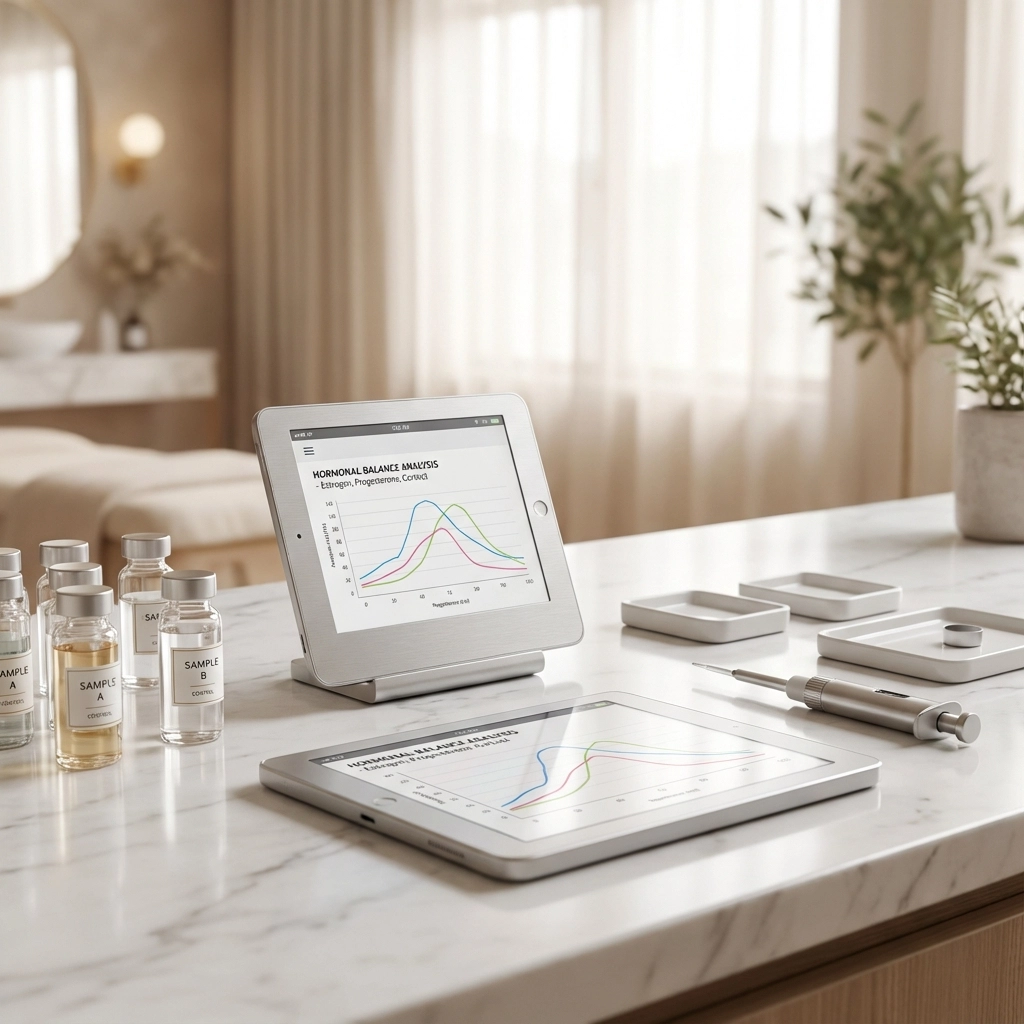
Before any treatment begins, you’ll undergo comprehensive hormone testing. This typically involves blood work to measure levels of key hormones including estrogen, progesterone, testosterone, thyroid hormones, and sometimes DHEA and cortisol. It may also involve testing your thyroid, iron level, ferritin level, ect.
The timing of these tests is important, especially for women who are still menstruating, as hormone levels fluctuate throughout the menstrual cycle. Your provider will guide you on the optimal timing for testing to get the most accurate results.
Personalized Treatment Plan Development
Once your lab results are available, your healthcare provider will analyze your hormone levels alongside your symptoms and medical history to create a customized treatment plan. This plan will specify:
- Which hormones you need
- The optimal doses for your situation
- The best delivery method for your lifestyle
- A monitoring schedule to track your progress
The method of delivery plays a critical role in how your body absorbs and utilizes hormones. Factors like metabolism, lifestyle, symptom severity, and treatment goals all influence which option is best for you. Choosing the right delivery method is just as important as choosing the right hormone and dose.
BHRT Formulations and Delivery Methods
One of the significant advantages of BHRT is the variety of delivery methods available, allowing your treatment to fit seamlessly into your lifestyle.
Oral Medications
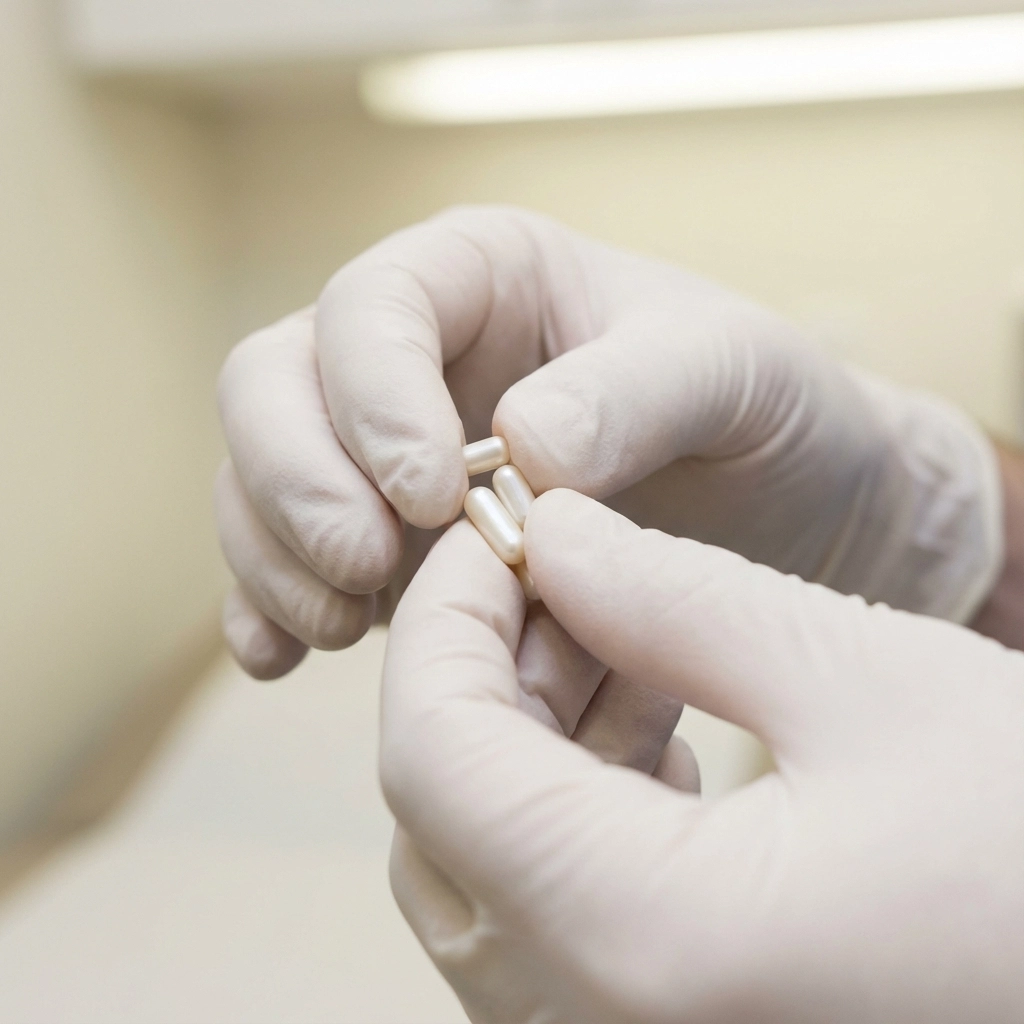
BHRT pills are convenient and familiar to most patients.
Topical Applications
Creams and gels are applied to thin-skinned areas like the inner wrists, inner arms, or thighs. These bypass the digestive system and liver, potentially reducing the risk of certain side effects. They’re available in various hormone concentrations and can be easily adjusted.
Transdermal Patches
Patches provide steady hormone delivery through the skin and are particularly convenient for busy lifestyles. They’re typically changed every few days and provide consistent hormone levels.
Injections
Hormone injections are one of the most effective and precise delivery methods in BHRT. Administered intramuscularly or subcutaneously, injections bypass the digestive system entirely, allowing for optimal absorption and predictable hormone levels.
Depending on your individualized treatment plan, injections are typically administered weekly or bi-weekly and can be done conveniently at home after proper instruction. This method is especially beneficial for patients who require consistent therapeutic levels, such as those on testosterone therapy or more advanced hormone optimization protocols.
Many patients report improved symptom control, enhanced energy, and better overall outcomes with injectable therapy due to its ability to deliver a steady, bioavailable dose without the variability seen in some topical or oral options.
Vaginal Formulations
For women experiencing vaginal dryness or urogenital symptoms, vaginal creams, pessaries, and suppositories can provide targeted relief while minimizing systemic hormone exposure.
Timeline for Results: When Will You Feel Better?
One of the most common questions about BHRT is how quickly you can expect to see results. The good news is that many people experience improvements relatively quickly.
Most patients begin to notice some symptom relief within the first few days to two weeks of starting treatment. However, the timeline can vary:
- Initial improvements: You may feel better within a few days of starting treatment
- Significant relief: Most people experience much better symptom control within one to two weeks
- Optimal results: Maximum symptomatic relief for a given dose and formulation typically occurs within 4-6 weeks
It’s important to understand that BHRT is not a quick fix, but a process of optimization. While many patients feel better quickly, fine-tuning your hormones for optimal balance may take several adjustments over time.
Ongoing Monitoring and Care
BHRT isn’t a “set it and forget it” treatment. Ongoing monitoring is essential for both safety and effectiveness.
Regular Follow-ups
Most BHRT protocols include follow-up appointments every 3 months, especially during the initial phase of treatment. During these visits, your provider will:
- Assess your symptom improvement
- Monitor for any side effects
- Review any lifestyle changes or new health concerns
- Adjust doses if necessary
- Order follow-up laboratory testing when appropriate
Laboratory Monitoring
Periodic blood work helps ensure your hormone levels are in the optimal range and that the treatment isn’t causing any adverse effects. Your provider may also monitor other health markers like liver function, lipid levels, and blood clotting factors. We don’t dictate where you get your lab work – we can order labs at a variety of places based on your preference or your insurance requirement.
Communication Is Key
Your body’s response to BHRT is unique, making open communication with your healthcare provider essential. Don’t hesitate to reach out if you experience:
- Return of symptoms
- New or concerning side effects
- Significant life changes that might affect your treatment
- Questions about your therapy
Important Considerations Before Starting BHRT
While BHRT can be life-changing for many people, it’s not right for everyone. Here are some important factors to consider:
Medical Contraindications
Certain medical conditions may make BHRT inappropriate, including:
- History of hormone-sensitive cancers
- Active liver disease
- Uncontrolled high blood pressure
- History of blood clots
- Undiagnosed vaginal bleeding
It’s important to take all of your health issues or needs into consideration when starting a BHRT plan.
FDA Status and Regulation
Some bioidentical hormones are FDA-approved, while others are compounded to allow for more personalized dosing. When working with a qualified provider, both options can be used safely and effectively as part of a well-monitored treatment plan.
Lifestyle Factors
BHRT works best as part of a comprehensive approach to health and wellness. Consider how lifestyle factors like diet, exercise, stress management, and sleep habits might support or hinder your hormone therapy success.

Duration of Treatment
You can continue BHRT as long as you and your healthcare provider are satisfied with the results and the benefits outweigh any risks. Some people use BHRT for a few years to get through menopause, while others choose to continue long-term for ongoing wellness benefits.
Making the Decision: Is BHRT Right for You?
Deciding to start BHRT is a personal choice that should be made in partnership with a qualified healthcare provider who specializes in hormone therapy. The decision should be based on:
- The severity of your symptoms and how they affect your quality of life
- Your overall health status and medical history
- Your personal preferences regarding treatment approaches
- Your understanding of both the benefits and potential risks
Remember that BHRT is not just about treating symptoms: it’s about optimizing your hormonal health to help you feel your best as you age. Many patients report not just relief from bothersome symptoms, but also improvements in energy, mood, cognitive function, and overall quality of life.
The key to successful BHRT is working with an experienced provider who takes a personalized approach, monitors your progress carefully, and adjusts your treatment as needed. With the right guidance and realistic expectations, BHRT can be a powerful tool in your journey toward optimal health and wellness.
If you’re experiencing symptoms of hormone imbalance, you don’t have to navigate it alone. At Spark Functional Medicine & Wellness, we take a personalized, data-driven approach to help you restore balance, improve how you feel, and optimize your long-term health.
Schedule your consultation today to take the first step toward feeling like yourself again.
