














Regenerative Science in Modern Wellness
At Spark Med Spa, regenerative medicine is one of the most exciting areas of modern wellness and aesthetics. You may have heard terms like stem cells or Wharton’s Jelly, but many people are unsure what they are, how they work, or how they are sourced.
This guide explains the science in simple terms so you can better understand how regenerative therapies support the body’s natural repair and rejuvenation processes.
What Are Stem Cells?


• Self-renew – they can replicate themselves
• Differentiate – they can develop into different types of cells
• Signal repair – they release growth factors and signaling molecules that help coordinate tissue regeneration
Instead of acting like traditional medications that block symptoms, stem cells support the body’s natural regenerative communication systems.
They do this primarily through:
-
Growth factors
-
Cytokines
-
Extracellular vesicles and exosomes
These biological signals help encourage healthy tissue activity, cellular communication, and repair pathways throughout the body.
What Is Wharton’s Jelly?

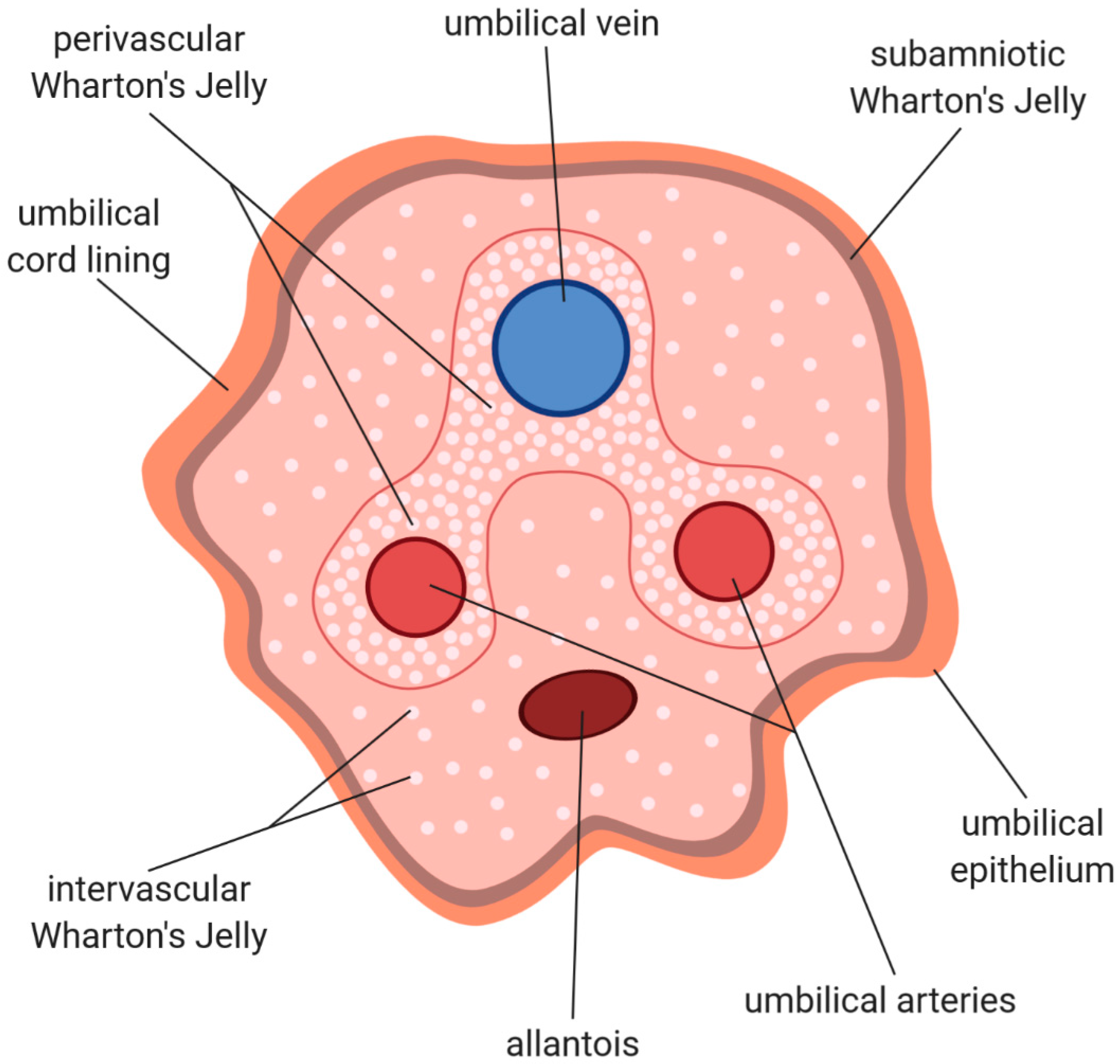

It is naturally rich in:
-
Mesenchymal stem cells (MSCs)
-
Growth factors
-
Hyaluronic acid
-
Structural proteins and regenerative signaling molecules
These components help support cellular communication and tissue repair pathways.
In regenerative wellness therapies, Wharton’s Jelly–derived products are valued because they contain a concentrated matrix of supportive regenerative signals that help promote healthy cellular function.
Ethical Sourcing: Clearing Up the Misconceptions
One of the most common questions people ask is about where stem cells come from.
At Spark Med Spa, the regenerative biologics we use are:
✔ Ethically sourced
✔ Derived from donated umbilical cord tissue
✔ Obtained from healthy, full-term births after C-section deliveries
✔ Collected with maternal consent
These materials would otherwise be discarded after birth.
No embryonic tissue is used.
No aborted fetal tissue is used.
The donated umbilical cord tissue is carefully processed and screened in regulated laboratory environments to ensure safety and quality.
Stem Cells vs. Wharton’s Jelly: What’s the Difference?
| Feature | Stem Cells | Wharton’s Jelly |
|---|---|---|
| Source | Various biological tissues | Umbilical cord connective tissue |
| Composition | Living regenerative cells | Matrix containing stem cells + growth factors |
| Function | Cellular signaling and regeneration | Structural and signaling support |
| Application | Used in regenerative medicine and research | Often used as a rich biologic environment for regenerative therapies |
You can think of Wharton’s Jelly as the environment that nourishes regenerative cells, while stem cells are the messengers that coordinate tissue communication and repair signals.
Human Stem Cells vs. Plant Stem Cells
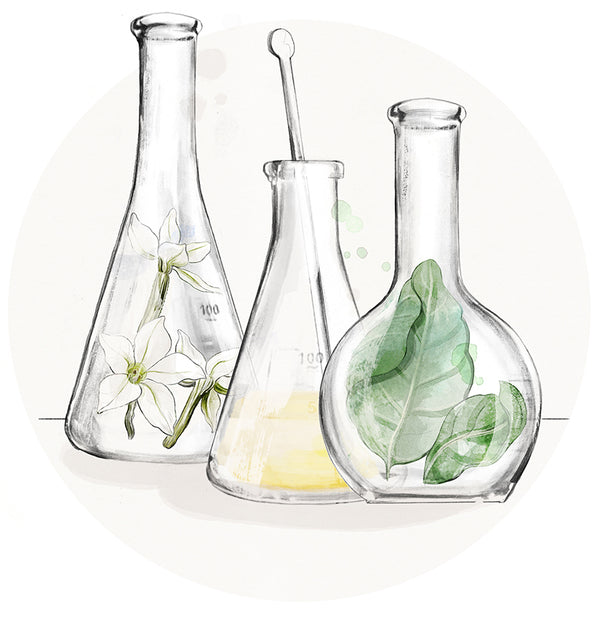


Both human stem cells and plant-derived stem cells are used in wellness and aesthetic applications, but they serve different roles.
Human Stem Cell–Derived Biologics
These products contain human regenerative signaling components that help support communication between human cells.
They are often used in regenerative wellness therapies designed to support natural tissue repair processes.
Plant Stem Cells
Plant stem cells come from botanical sources such as:
-
Apple stem cells
-
Edelweiss
-
Grape stem cells
They are commonly used in skincare formulations to support:
-
Antioxidant protection
-
Skin barrier health
-
Collagen-supporting environments
Plant stem cells do not become human cells, but they provide protective compounds that benefit skin health.
At Spark, we use both technologies depending on the treatment goals.
How Regenerative Biologics Are Used in Aesthetic Treatments
In aesthetic medicine, regenerative biologics are often combined with procedures that stimulate the body’s own repair processes.
Examples include:
Microneedling Enhancements
After microneedling, biologic serums may be applied to the skin to support:
-
Skin hydration
-
Collagen support
-
Texture refinement
Hair Restoration Support
Regenerative biologics can be used in scalp protocols designed to support:
-
Follicle health
-
Scalp circulation
-
Hair density environments
Medical-Grade Skincare
Some advanced skincare systems incorporate plant stem cells and regenerative ingredients to support skin renewal and antioxidant defense.
Regenerative Wellness Therapies
Beyond aesthetics, regenerative biologics may also be used in wellness protocols designed to support the body’s natural healing and communication pathways.
These may include:
-
IV administration
-
Targeted injections
-
Nebulized delivery for respiratory support pathways
-
Topical or localized treatments
These therapies are designed to support the body’s natural regenerative processes, rather than directly treating specific medical conditions.
The Future of Regenerative Medicine
Regenerative medicine is one of the fastest-growing fields in healthcare. Scientists continue to study how biologic signaling molecules and cellular communication pathways influence:
-
Tissue repair
-
Immune balance
-
Cellular longevity
-
Healthy aging
As research evolves, regenerative technologies may play an increasing role in wellness and aesthetic medicine.
Interested in Learning More?
If you’re curious whether regenerative therapies may be a good addition to your wellness or aesthetic plan, our team is happy to discuss options during a consultation.
📞 Spark Med Spa
208-241-9942
sparkmobilemedspa.com
